

Every great movie starts the same way: as an idea that gets turned into words on a page before a single frame is ever shot. The same principle holds true for business video content. A script isn’t just a formality before filming, it’s the foundation that determines whether your final video actually connects with the people you’re trying to reach.
The importance of scriptwriting in video production comes down to one core idea: a script makes sure the video you end up with matches the video you actually intended to make. Without one, you’re relying on improvisation to carry your brand’s message, and that’s a gamble most businesses can’t afford to take. A single unclear sentence, a missed talking point, or a spokesperson who freezes up on camera can quietly derail an entire shoot, and none of that becomes obvious until you’re already sitting in the editing room trying to salvage footage that never quite says what it needed to say.
Here’s why script writing matters, and the real benefits it brings to every stage of the production process, from the first planning conversation all the way through to the final edit.

At its core, a script is your video’s plan in written form. It lays out what will be said, what will be shown, and how those pieces come together to deliver your message. Before a camera ever rolls, a script forces you to make the decisions that would otherwise get made on the fly, decisions about tone, pacing, structure, and who’s actually delivering the message.
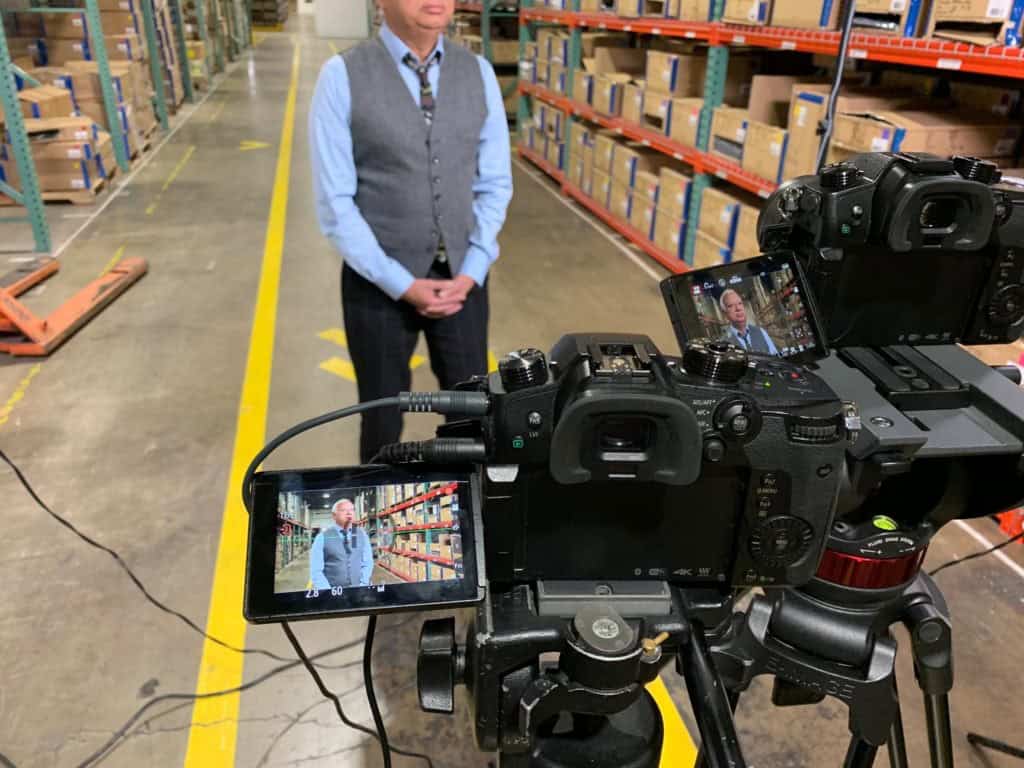
That last point matters more than it might seem. Writing the script first often clarifies whether an actor or the business owner should be the one on camera, and whether that person should appear on-screen or narrate as a voiceover. These are hard decisions to make well once filming has already started, and changing course mid-shoot almost always costs more time and money than getting it right on paper first.
A script also keeps your video efficient. Because the dialogue is planned rather than improvised, you avoid the drift toward tangents and filler that eats into a video’s runtime without adding value. Every line earns its place, every scene has a reason to exist, and nothing gets left in simply because it was said out loud during filming and nobody wanted to waste the footage. The result is a tighter, more purposeful piece of content, and one that performs better both on camera and as a marketing asset.
There’s a strategic layer here too. A script gives everyone involved, from the production team to the client, a single shared reference point. Instead of a filming day built around loose ideas and verbal agreements, everyone works from the same document, which means fewer surprises, fewer disagreements about direction, and a much smoother path from concept to finished video.
Think about how differently a film like Jurassic Park would have turned out without a script mapping out the story, characters, and dialogue in advance. Every person on set, from the actors to the crew, knew exactly what was expected of them because it had already been written down.
The same logic applies to a business video. Scriptwriting for video production gives your entire team a shared, written concept to follow, which means everyone shows up already knowing what the finished video is supposed to look like. That shared understanding extends beyond just the words being said. A well-built script often notes camera angles, pacing cues, and the emotional tone of each scene, giving your production team a genuine blueprint rather than a loose outline they have to interpret on the spot.
A script forces you to answer a question you can’t skip: who is this video actually for? Knowing your target audience before you write a single line shapes everything from your word choice to your tone, and it’s far easier to get that right on paper than to course-correct mid-shoot.
Writing with a specific audience in mind also keeps you honest about what actually matters to them. It’s easy to fill a video with information that feels important to your business but doesn’t move the needle for the viewer. A script gives you the chance to catch that mismatch early, before it’s baked into a finished production.
When a scene is scripted, everyone on camera already knows what to say and how to say it. Without that groundwork, a production team often ends up reshooting the same scene repeatedly while searching for something that works. A script sets the stage in advance, so people can adapt to it quickly instead of improvising in real time.
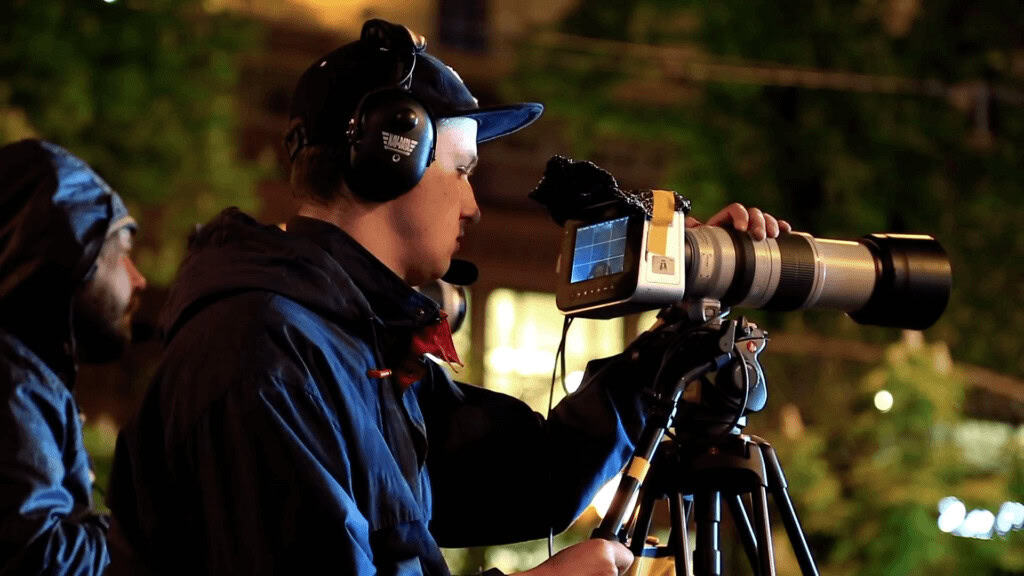
This matters just as much for the people being filmed as it does for the crew behind the camera. A spokesperson who has had time to rehearse a written script delivers a noticeably more confident, natural performance than one who’s being asked to speak off the cuff. That confidence translates directly into fewer takes and a faster path to a usable final shot.
Time and money move together on a film set. A tighter, more efficient shoot thanks to a solid script means fewer hours, less equipment rental, and a smaller overall budget for your video marketing efforts. It also reduces the odds of needing an expensive reshoot down the line, since a script gives you the chance to catch structural or messaging problems on paper, long before they’ve been committed to footage.
You only get a few seconds to capture a viewer’s attention, and the opening line of dialogue has to earn it. That’s not something you want your spokesperson improvising in front of a camera. A script lets you plan that opening moment carefully, long before filming ever starts, testing different hooks on paper until you land on the one most likely to stop someone from scrolling past.
Your brand identity is one of the most important things riding on any video you produce. Writing a script gives you the chance to review your messaging in advance and confirm it actually aligns with your brand’s voice and vision, rather than discovering a mismatch after the footage is already shot.
This kind of review is much harder to do effectively once you’re staring at hours of raw footage. A script lets you and your team look at the entire message as a whole, line by line, and make sure nothing contradicts your brand or wanders off into territory that doesn’t serve your goals.
People don’t want information delivered at them, they want to be told a story. A well-written script turns your video into a narrative rather than a list of facts, and that’s exactly what drives higher engagement and conversion. This kind of storytelling is especially valuable in explainer videos, where a clear narrative arc is often the difference between a video that educates and one that just talks.

A good script also gives your story somewhere to go. Rather than a flat presentation of features or facts, it builds toward something: a resolution, a call to action, a feeling the viewer carries with them after the video ends. That structure rarely happens by accident, it’s built in advance, on the page.
Every benefit above adds up to the same outcome: a video that actually reflects your brand, performs the way you intended, and earns better views, engagement, and conversions. A well-scripted video is also easier to repurpose into micro content down the line, giving you more mileage out of a single production, especially when it’s part of a broader social media video package.
Because a scripted video is built with intention from the very first line, it also tends to age better. Videos built around genuine storytelling and a clear message stay relevant and usable for longer, instead of feeling dated or off-message within a few months of release.
As you evaluate video production companies, ask directly about their scriptwriting process. If a company tells you they skip this step, that’s a red flag worth taking seriously. Scriptwriting isn’t an optional extra, it’s foundational to whatever kind of video you’re making, from promotional videos to any other video service your business needs.
A team that treats scriptwriting as a core part of their process will typically walk you through drafts, ask thoughtful questions about your goals and audience, and welcome your feedback before a single scene is filmed. That collaborative process is often the clearest signal of a production company that takes your video, and your business, seriously.
Ready to work with a team that treats scriptwriting as a core part of the process, not an afterthought? Reach out to Top Notch Cinema and let’s start with the story you want to tell.